Have you ever switched off your PC — or left it running for a long time without turning off your monitor — and noticed it entering power-saving mode?
This, essentially, is your monitor entering hibernation.
A monitor enters power-saving mode when it stops receiving any kind of video signal from your GPU.
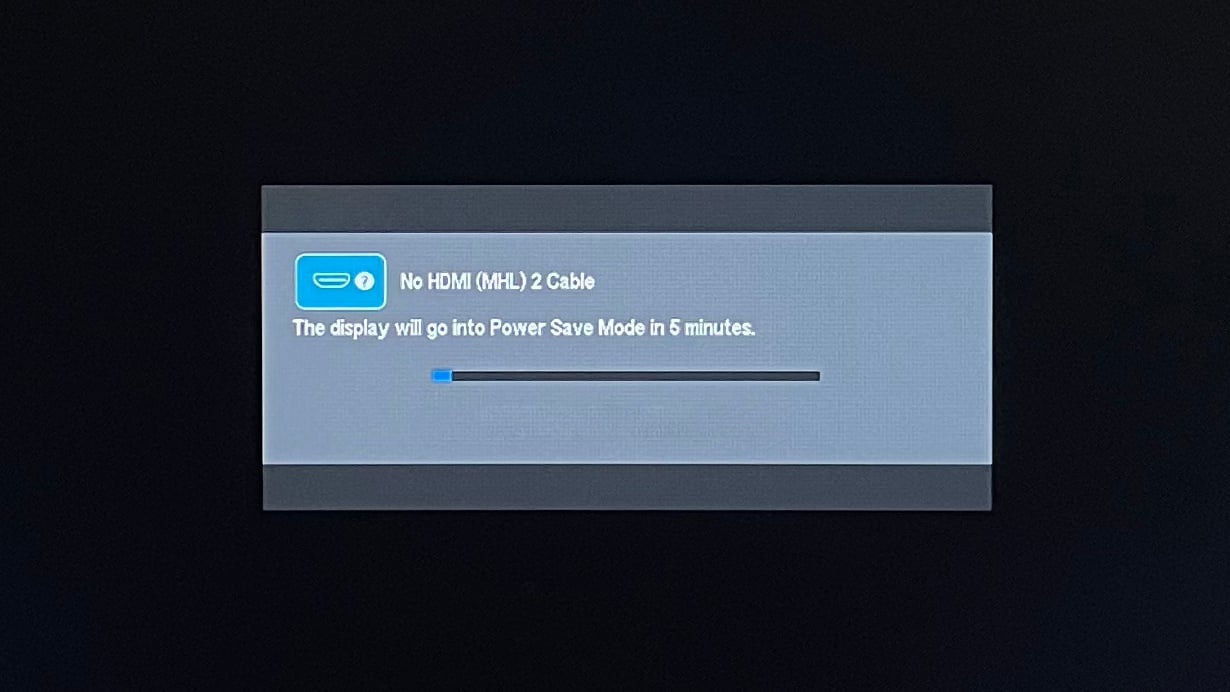
As the name suggests, this feature was implemented to conserve energy and prevent excessive degradation caused by screen burns.
However, it can cause plenty of discomfort if your monitor randomly enters power-saving mode while the PC is still being used.
This article will help you troubleshoot this pesky issue.
Before you go tweaking any power settings or reinstalling your GPU driver, do the following:
This already narrows down our culprit considerably.
Now let’s move on to more comprehensive troubleshooting methods!
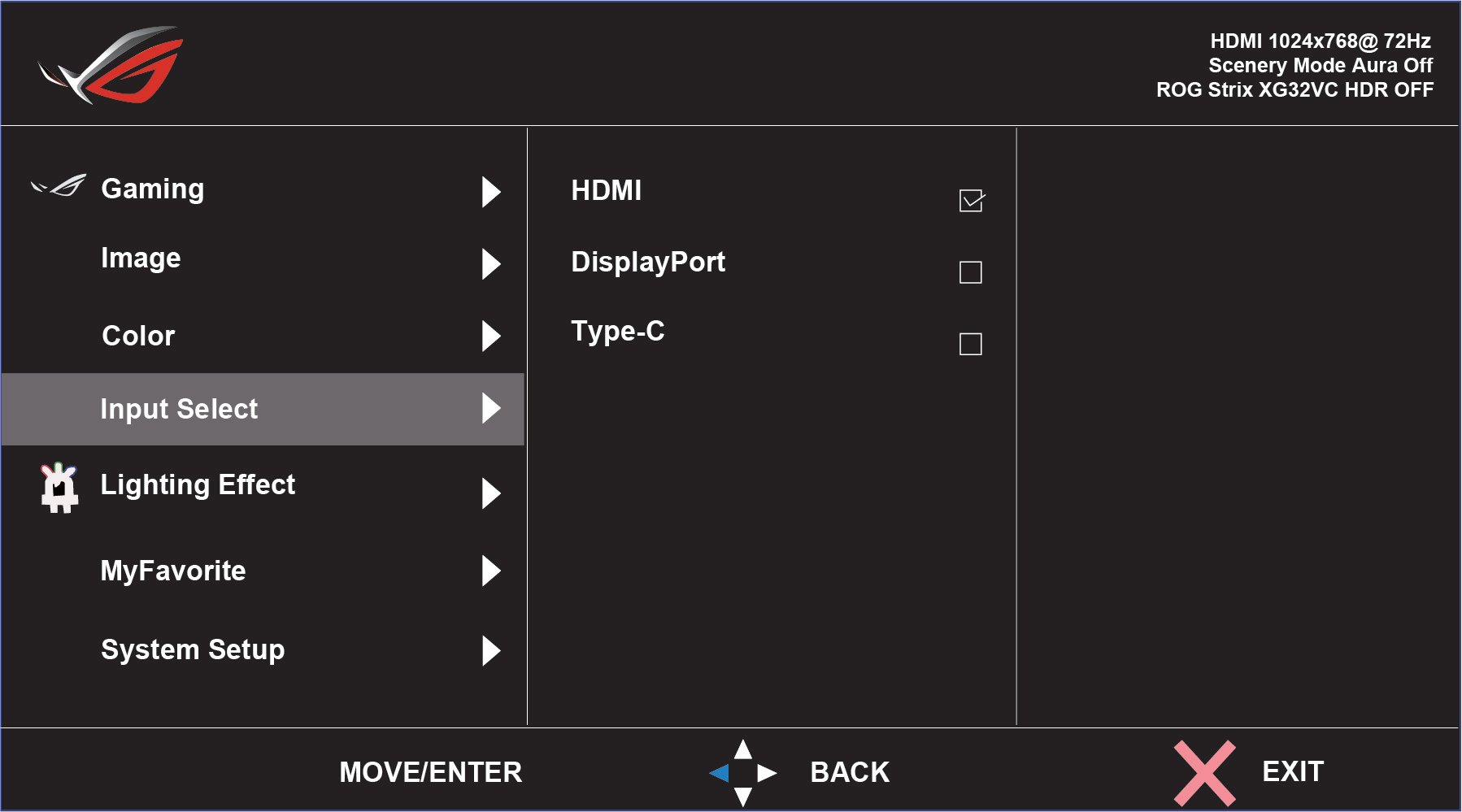
Improper/loose connections and wrong input settings can cause your monitor to enter power-saving mode.
To make sure we’ve covered all bases, do the following:
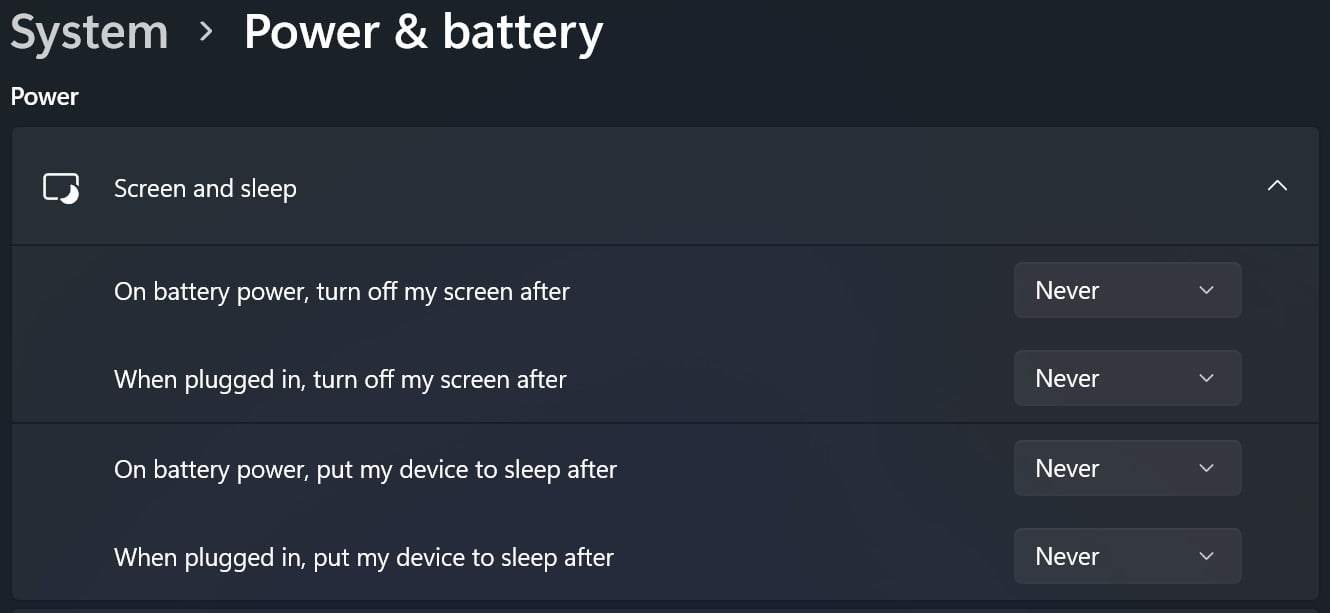
More often than not, your monitor will enter power-saving mode when your PC goes to sleep or, alternatively, when it remains inactive long enough to stop sending any video signal.
To counteract this, change your Screen Timeout options in the Settings panel.
Do the following:
Next, you should also change the Power Plan Settings in the Control Panel.
If the problem persists, disable the Console Lock Display Timeout setting. The Console Lock Display Timeout instructs the OS to wait a certain amount of time on the Lock Screen until it’ll time out and turn off the monitor. But this option isn’t easily accessible. Here’s how to fix that:
First, you need to edit the Registry to make this option appear and disable it once it does.
To do so, follow these steps:
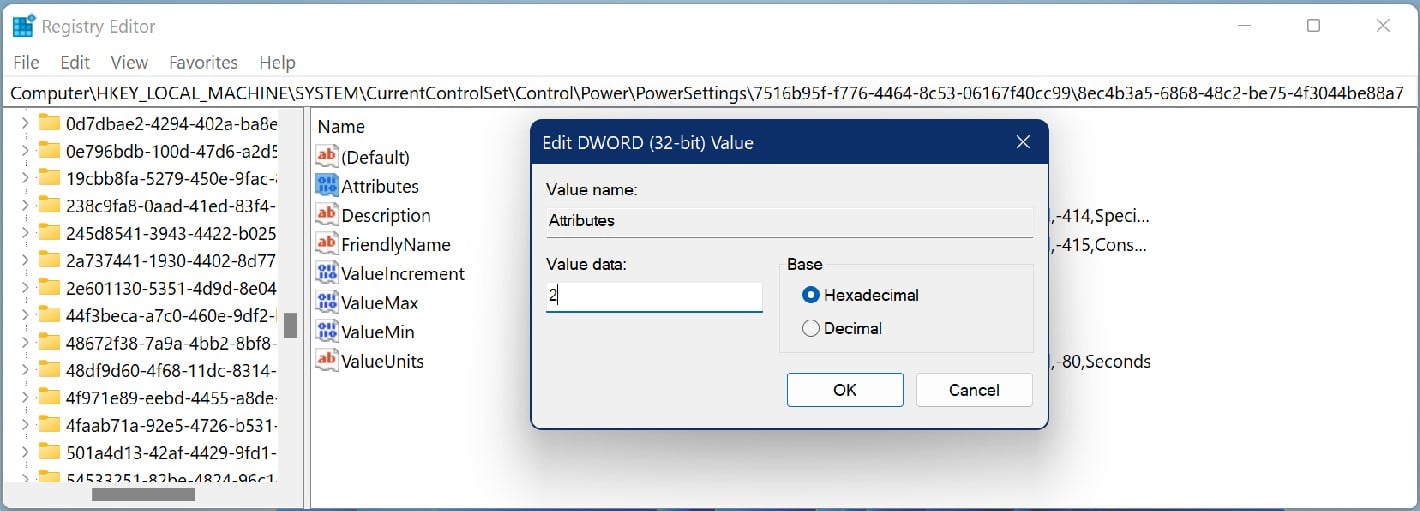
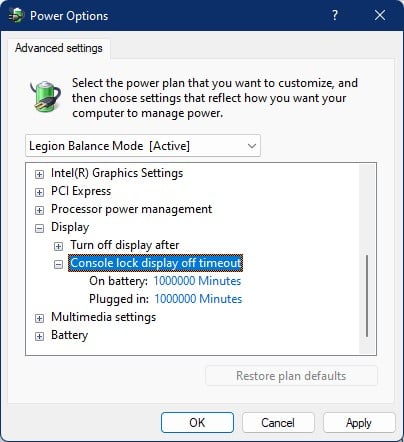
If all these solutions fail, you can resort to setting the Device Idle Policy to Performance.
Like the previous step, you need to change some Registry values to get this option to appear on the Control Panel.
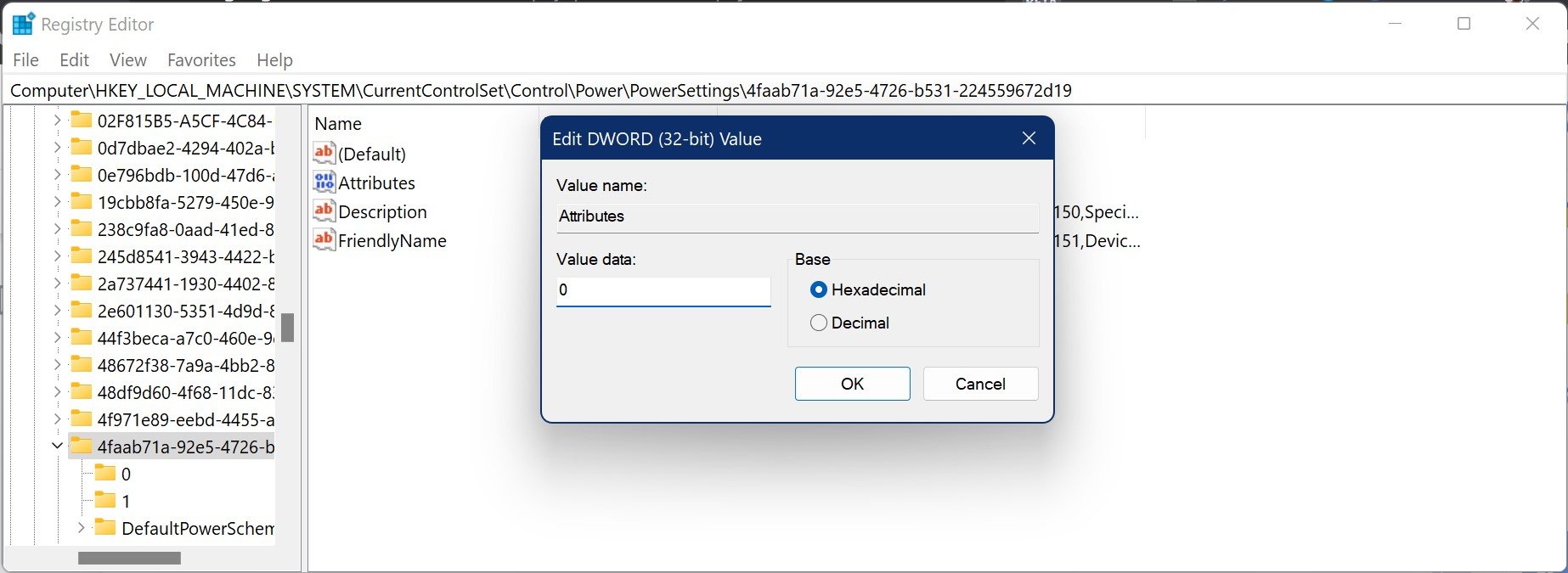
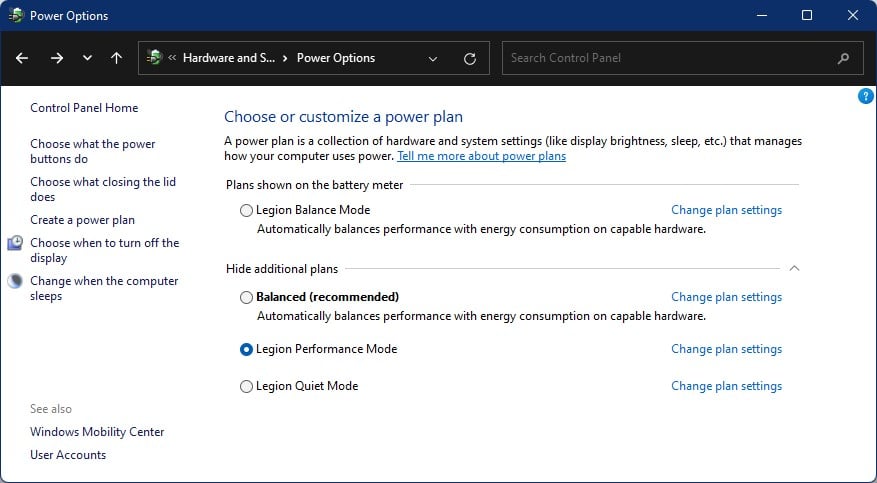
Your monitor can also enter power-saving mode — at the most random of moments — if you’re facing any kind of GPU driver-related issue.
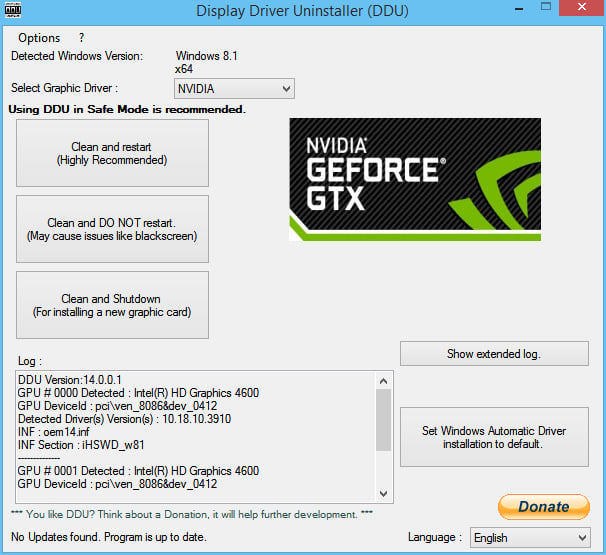
You can uninstall your current GPU driver from the Device Manager, but we recommend using a specialized tool like Display Driver Uninstaller (often referred to as DDU).
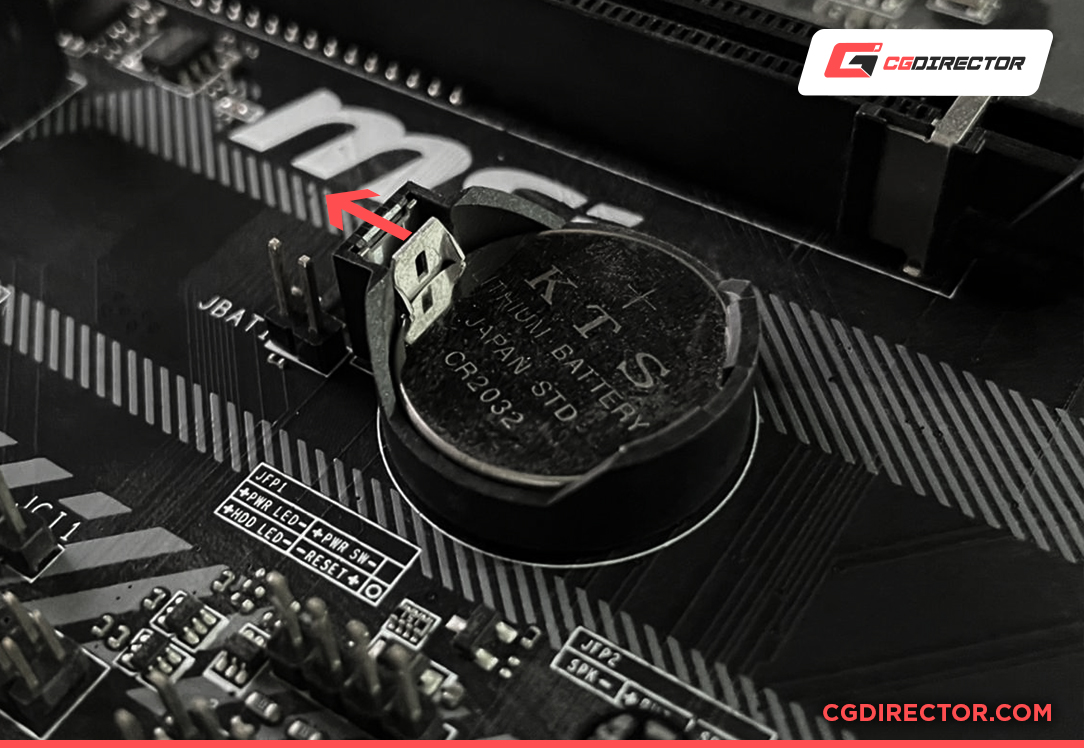
A dead CMOS battery can also cause your monitor to go into a power-saving state when you boot up your PC.
That’s because a drained CMOS battery will not retain any BIOS settings and will display the following message every time you turn on your computer: “Devices changed (CPU or Memory) or CMOS has been cleared.” Because the boot process won’t continue, the monitor will display “No Signal” and enter power-saving mode after a few moments.
You can either ignore it by pressing F2 to reset your BIOS and reboot the system or slot in a new CR2032 battery into your motherboard to eliminate this problem.
The entire process is extremely straightforward; all you have to do is release a lock to remove the old CMOS battery and slot in the new one.
Well, it depends. Power-saving mode helps the monitor conserve energy, and there are ways to delay it from entering power-saving mode instead of outright disabling it.
If it starts affecting your day-to-day usage, then you should, by all means, disable it altogether.
Increased power consumption might not be that big of an issue — it varies from one individual to the next. Unless, of course, you have an OLED display.
If your monitor keeps entering power-saving mode or shows “No Signal” when you play games or perform any other hardware-intensive tasks, the culprit might be the instability of your GPU.
This can be caused if your overclock is unstable, if your PC has inadequate cooling, or if your GPU receives insufficient power from your PSU.
Removing all GPU overclock settings should help prevent the monitor from entering power-saving mode if the overclock is unstable. Then, you can run stress tests while slowly increasing the GPU’s clock speeds to get a stable overclock.
To prevent thermal throttling from causing monitor-related problems, keep your PC adequately cooled, replace its thermal paste, and increase the GPU fan speed to dissipate heat faster.
Lastly, keep a weather eye on the temperature of your GPU using monitoring software like MSI Afterburner, and make sure it doesn’t exceed 85 degrees Celsius.
To check whether you have a beefy enough PSU, you can use websites such as PCPartPicker or BuildMyPC. If your PSU is too weak to handle your GPU at full load, you can try undervolting the GPU.
Furthermore, try removing and reseating the GPU on the top PCIe x16 slot on your motherboard. If you have enabled G-Sync/FreeSync, disable them from your GPU’s control panel.
Lastly, reset your monitor’s refresh rate and resolution to its default values.
If all these solutions fail, your GPU might be defective.
If your secondary monitor enters power-saving mode (while the primary one still works), double-check whether it’s adequately connected to your GPU.
Then, ensure that both monitors appear in your GPU’s control panel.
Do the following:
If this doesn’t solve the problem, go over all the aforementioned fixes one by one to prevent your second monitor from entering power-saving mode.
A flickering monitor is most commonly caused by improperly inserted cables, very high (unsupported) refresh rates, or your GPU acting up.
The simple fix is to check your connections, disable G-Sync/FreeSync, lower your display’s refresh rate, and install new drivers for your GPU.
Most monitors have several buttons located near the power button. Simply press any of them, and a Shortcut Menu will pop up.
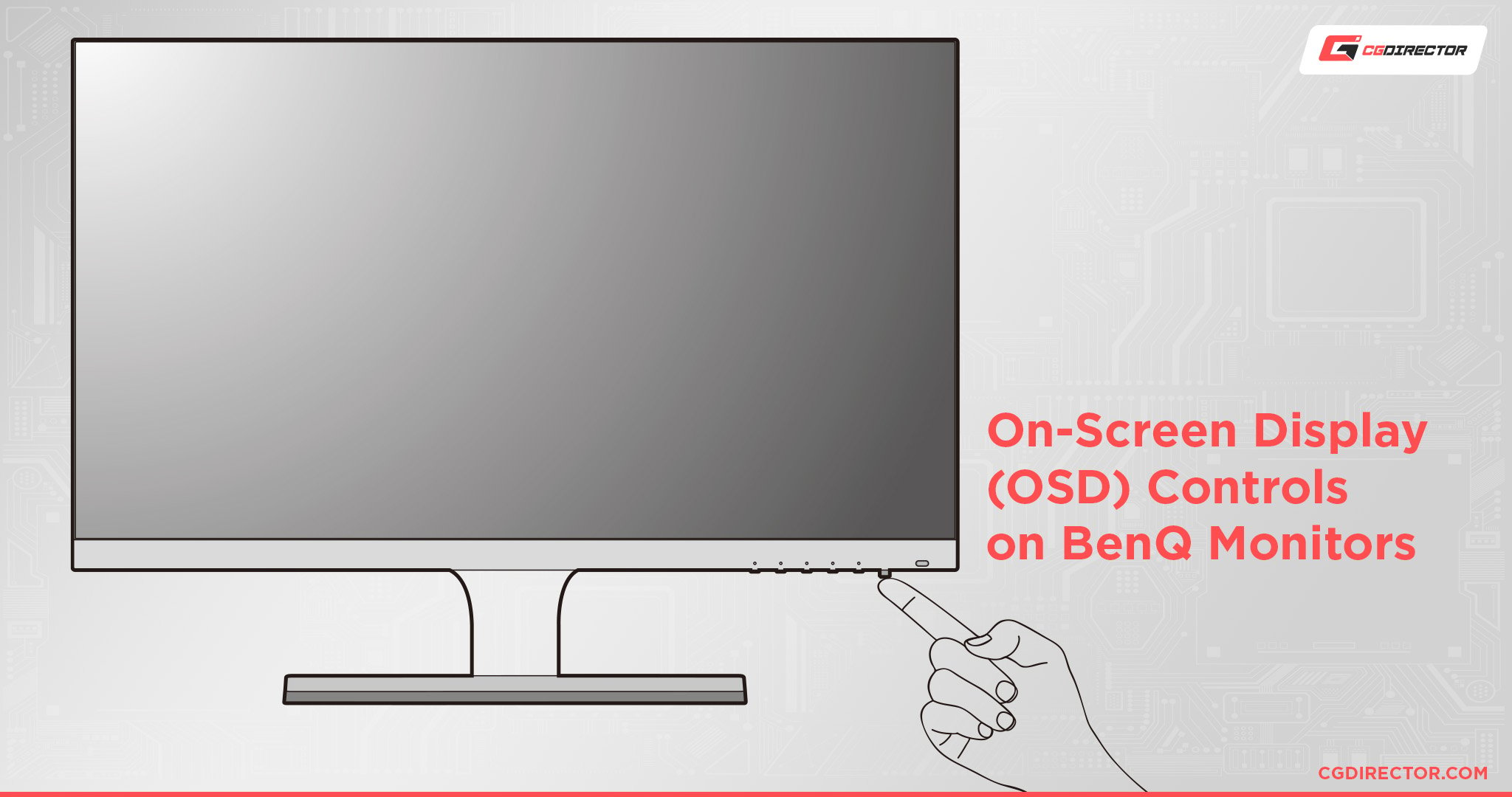
There you’ll be able to change a myriad of different (admittedly quite important) settings.
As a general rule of thumb, the button closest to the monitor’s power button allows you to access the OSD settings like Super Sharpness, Overdrive, Blue Light, and so on.
A monitor randomly entering power-saving mode can sound like a daunting issue to fix, but rest assured, it’s not all that complicated. So long as you follow all the steps listed above, you can get rid of the issue without too much trouble.
If you have any questions, feel free to post them down below in the comments or on our forum!
